MCL
UNITED KINGDOM
McLaren
Lando Norris · Oscar Piastri
Enter the world of Formula 1. Discover the engineering, teams, circuits and racing stories that make the pinnacle of motorsport extraordinary.
Explore the major parts of the Formula 1 universe, from the teams in the garage to the circuits around the world.
Learn about open-wheel design, chassis, tyres, power units and the engineering choices behind a modern Grand Prix car.
Explore the constructors, their identities, racing heritage and the people who bring each car to the grid.
Discover the skill set of an F1 driver: precision, consistency, racecraft, fitness and split-second decision-making.
Explore famous Grand Prix venues and how corners, straights, elevation and surface shape a race weekend.
Each team combines designers, engineers, mechanics, strategists and drivers to prepare a competitive car. Explore the 2026 grid below.
Lando Norris · Oscar Piastri
George Russell · Kimi Antonelli
Max Verstappen · Isack Hadjar
Charles Leclerc · Lewis Hamilton
Alexander Albon · Carlos Sainz
Oliver Bearman · Esteban Ocon
Fernando Alonso · Lance Stroll
Liam Lawson · Arvid Lindblad
Pierre Gasly · Franco Colapinto
Nico Hülkenberg · Gabriel Bortoleto
Sergio Pérez · Valtteri Bottas
Drivers combine physical preparation, technical feedback, precision and calm decision-making at extraordinary speeds.
Braking points, racing lines and throttle control help drivers find consistency lap after lap.
Clear radio communication and detailed feedback help engineers understand how the car behaves.
Fitness, concentration and quick decisions matter throughout practice, qualifying and the Grand Prix.
A Formula 1 car is a purpose-built open-wheel racing machine. Its chassis, aerodynamics, hybrid power unit, tyres and braking systems work together as one package.

The survival cell forms the central structure, with carefully engineered components arranged around it.

Modern F1 power units combine an internal-combustion engine with energy recovery and electrical systems.

Tyre temperature, braking balance and track conditions influence performance throughout a lap.
From fast permanent tracks to challenging city circuits, explore famous Grand Prix destinations across the globe.

Melbourne · A parkland street circuit.

Shanghai · Famous for its long opening turns.

Suzuka · Iconic figure-eight layout.
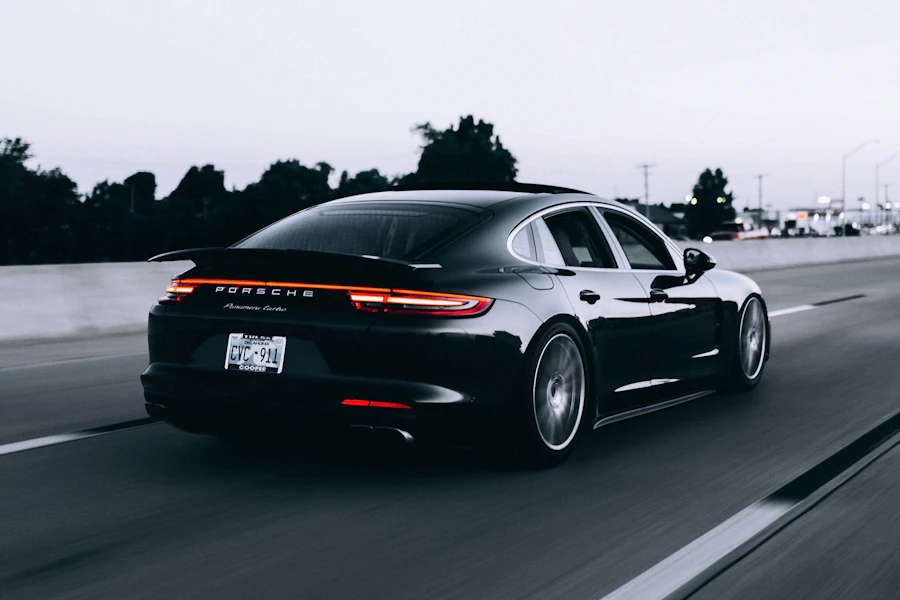
Miami Gardens · A modern circuit around a stadium complex.

Montreal · A fast island circuit with famous chicanes.

Monte Carlo · Narrow streets and legendary corners.
Montmeló · A mix of corners and straights.

Spielberg · A short lap with elevation changes.

Northamptonshire · High-speed corners and racing history.

Stavelot · Forest setting and famous elevation changes.

Mogyoród · A technical sequence of turns.

Zandvoort · Banked corners near the North Sea.
Monza · The Temple of Speed.

Baku · A long straight beside a tight old-city section.

Singapore · A spectacular night race through the city.

Austin · Known for its steep uphill first turn.

Mexico City · High altitude and a stadium atmosphere.

São Paulo · An anti-clockwise circuit with elevation changes.

Las Vegas · Night racing along the famous Strip.

Lusail · A flowing modern circuit under floodlights.
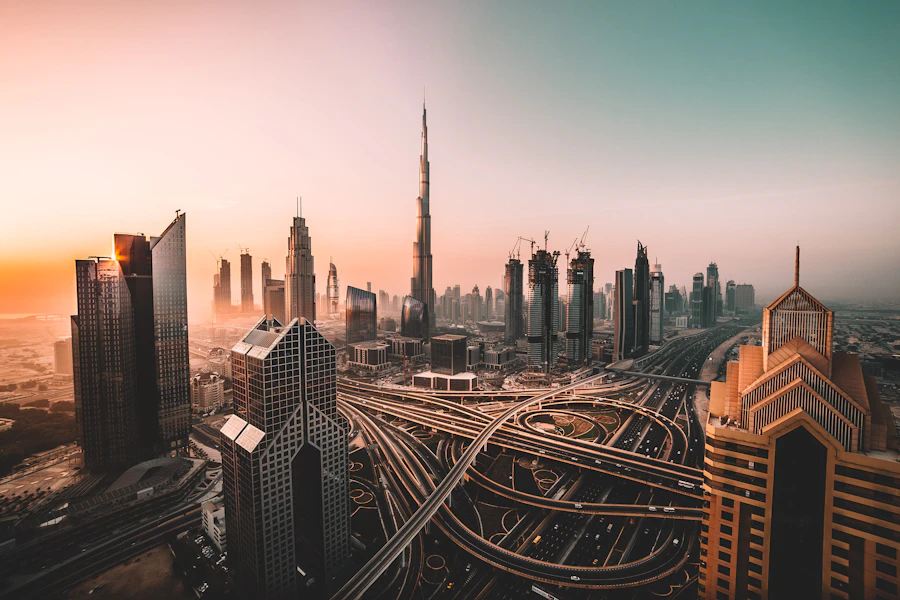
Abu Dhabi · A waterfront Grand Prix destination.
Sakhir · A desert circuit with heavy braking zones.
Jeddah · A fast street circuit beside the Red Sea.
This educational gallery includes current and historic Grand Prix venues; not every circuit shown is on the current race calendar. Images are illustrative references, not verified photographs of each venue.
Each team combines designers, engineers, mechanics, strategists and drivers to prepare a competitive car.
A race weekend involves preparation, qualifying, strategy calls, pit stops and the Grand Prix itself. Formats can vary by event.
Teams make decisions about tyre choice, timing, traffic, weather and changing race conditions.
Wings and bodywork manage airflow to balance aerodynamic grip, drag and stability.
Formula 1 power units combine an internal-combustion engine with energy recovery and electrical systems. Regulations evolve over time.
Tyre behaviour changes with temperature, load, track surface and driving style, making tyre management a key part of strategy.
Survival cells, barriers, protective equipment and strict procedures are central to modern motorsport safety.
Formula 1 brings together engineering, teamwork, strategy and human performance. VYROX MOTORS makes it easier to explore every part of that story.